

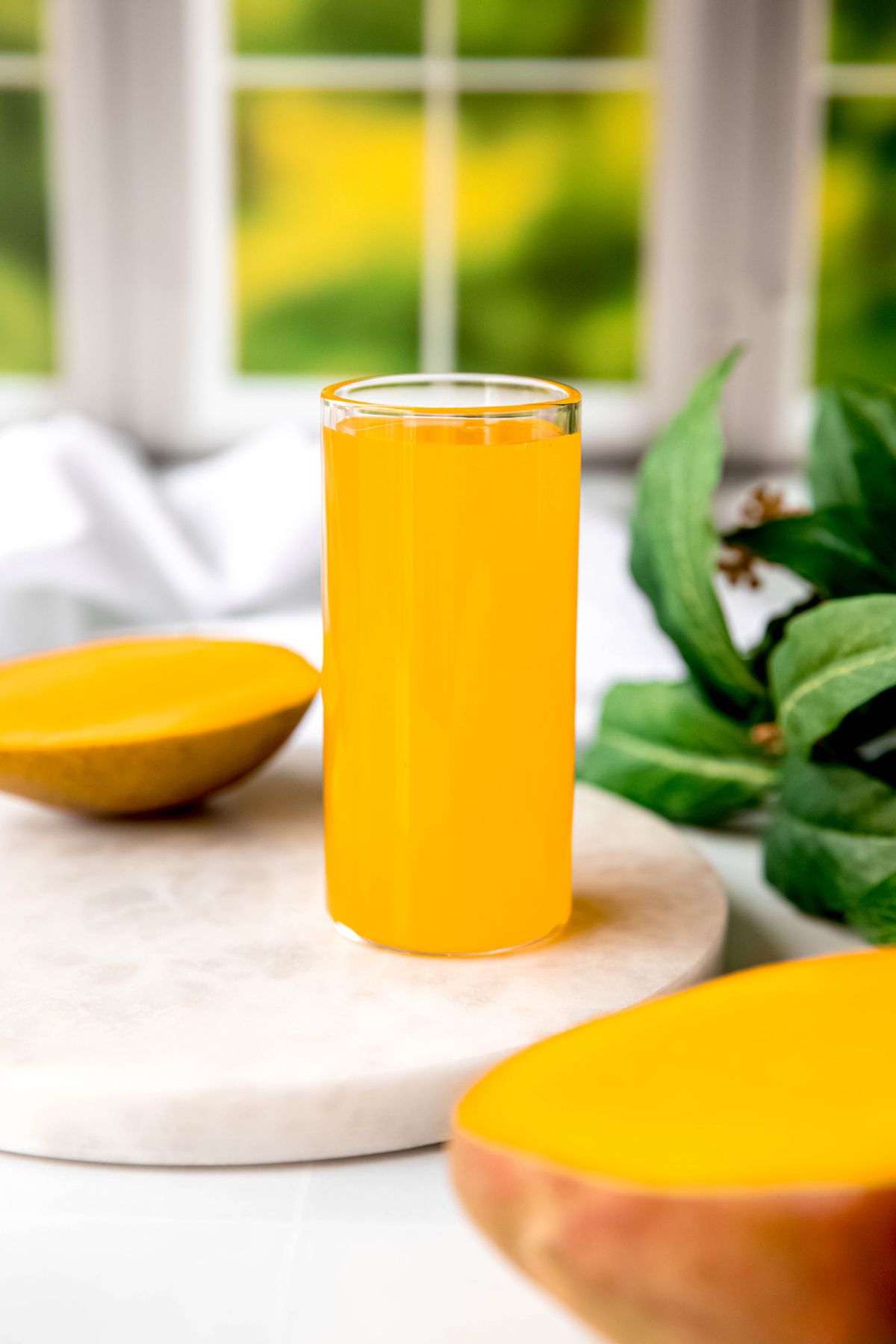
Add some tropical brightness to your drinks and desserts with my easy, 3-ingredient Mango Syrup recipe! This sunshiny elixir is made with just mangoes, sugar, and lemon juice, making it a better-for-you alternative to store-bought syrups.
Save This Recipe to Your Email!
I love making homemade coffee syrups—they’re easy to make, require only a few real ingredients, and are typically way cheaper than buying a bottle of Torani. This yummy mango simple syrup is my newest addition the lineup, and it’s right in time for warmer weather!
Similar to my strawberry syrup, watermelon syrup and other fruit-flavored yums, this easy recipe relies on a process known as maceration. The idea is simple: toss fresh cut fruit with sugar, which then draws out all the juicy goodness. Not only do you not even have to turn on the stovetop, you also get to avoid weird ingredients like sodium benzoate or Rebaudioside A.
Aside from cutting your fruit and stirring it up, the process is hands-off. You just need to let time do the work! Don’t worry—your patience will be handsomely rewarded. The end result is a spectacularly flavorful mango syrup with the perfect balance of sweet, tart, and tropical flavors that you can use in all kinds of recipes!
Jump to:
- What does it taste like?
- Why You’ll Love This Mango Simple Syrup Recipe
- Ingredients Needed
- Substitutions
- How To Make Mango Syrup
- Optional Variations & Dietary Adjustments
- Serving Suggestions
- Recipe Success Tips
- FAQs
- Homemade Mango Syrup Nutrition
- Other Coffee Syrup Recipes
- Fresh Mango Syrup (Starbucks Copycat)
What does it taste like?
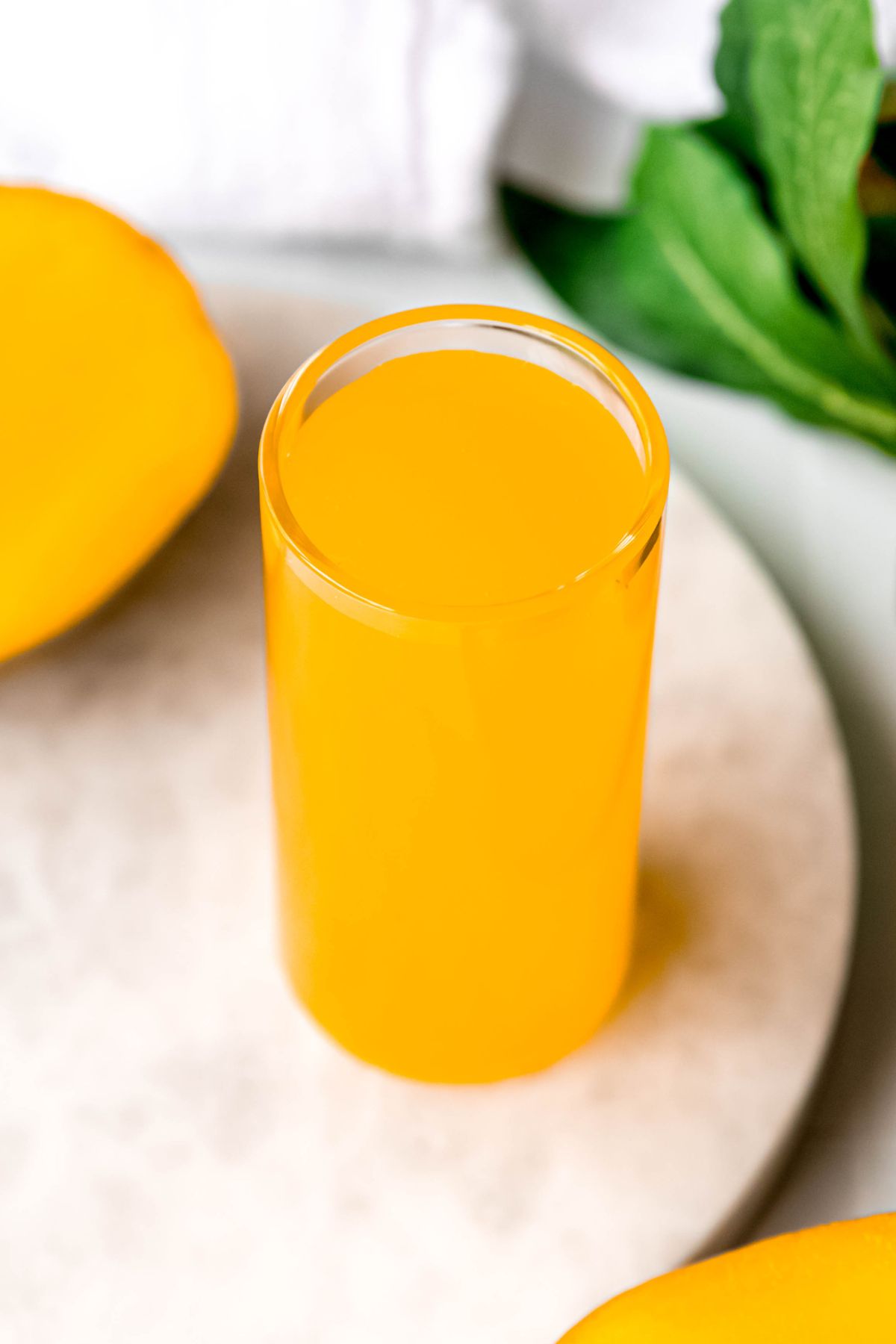
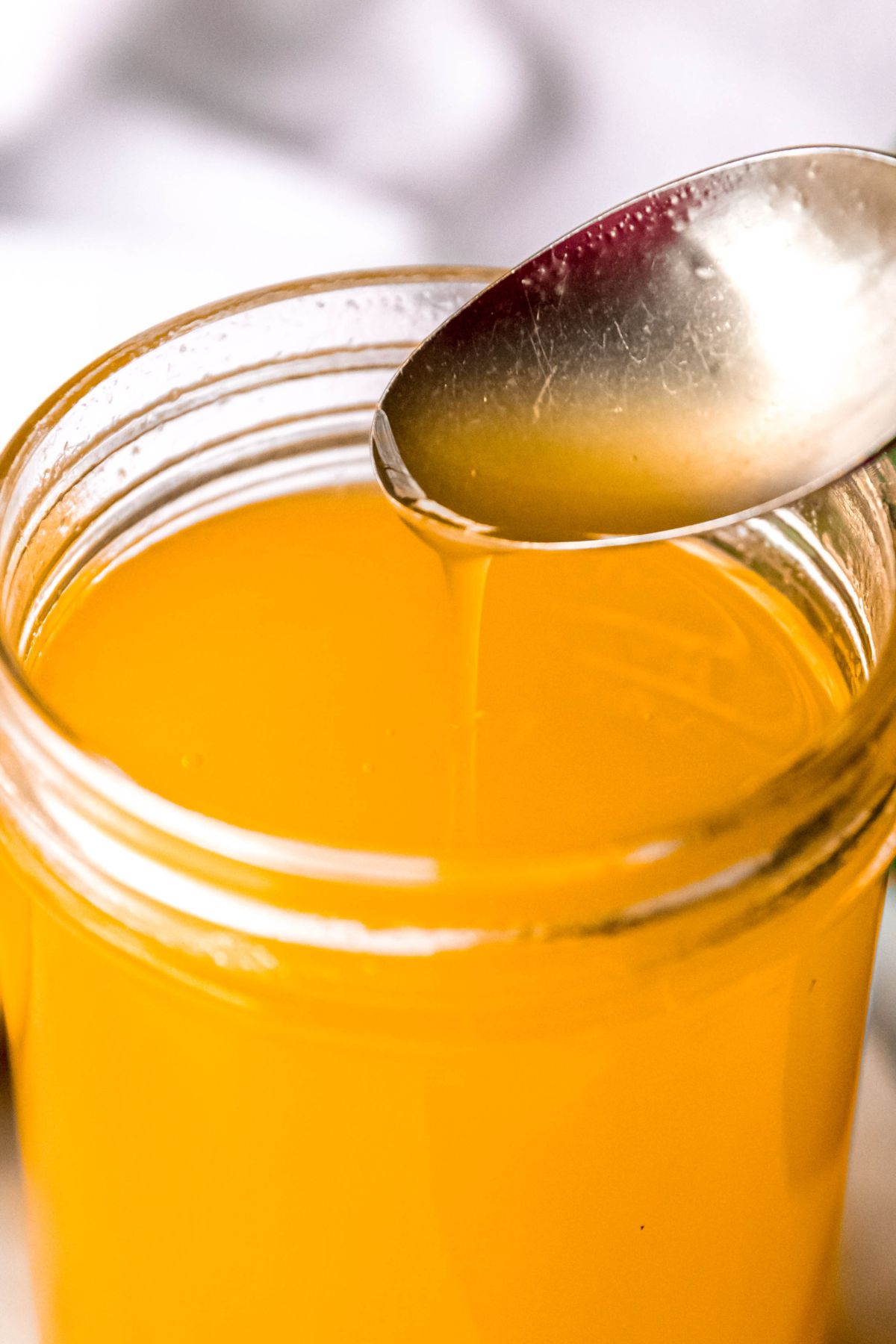
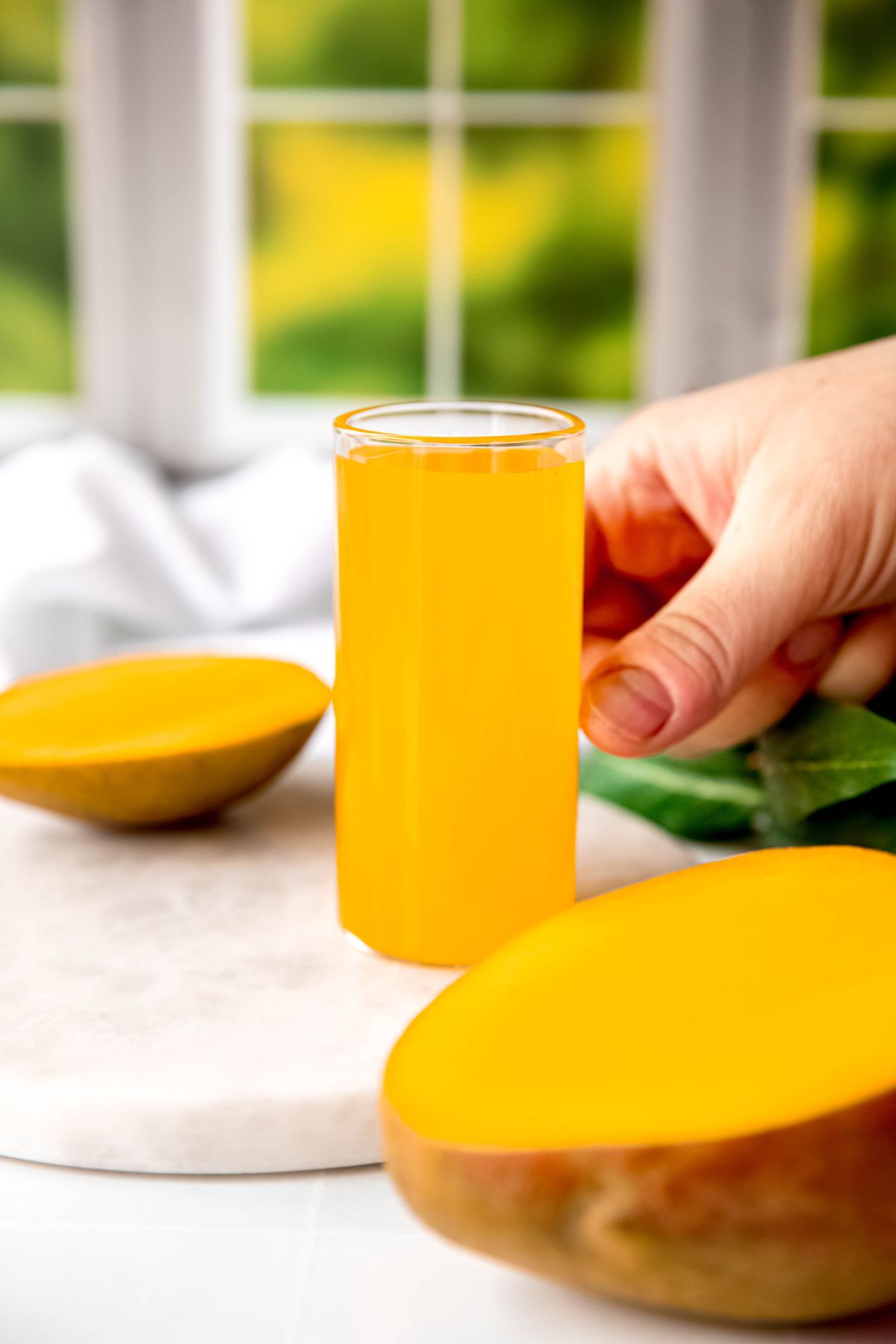
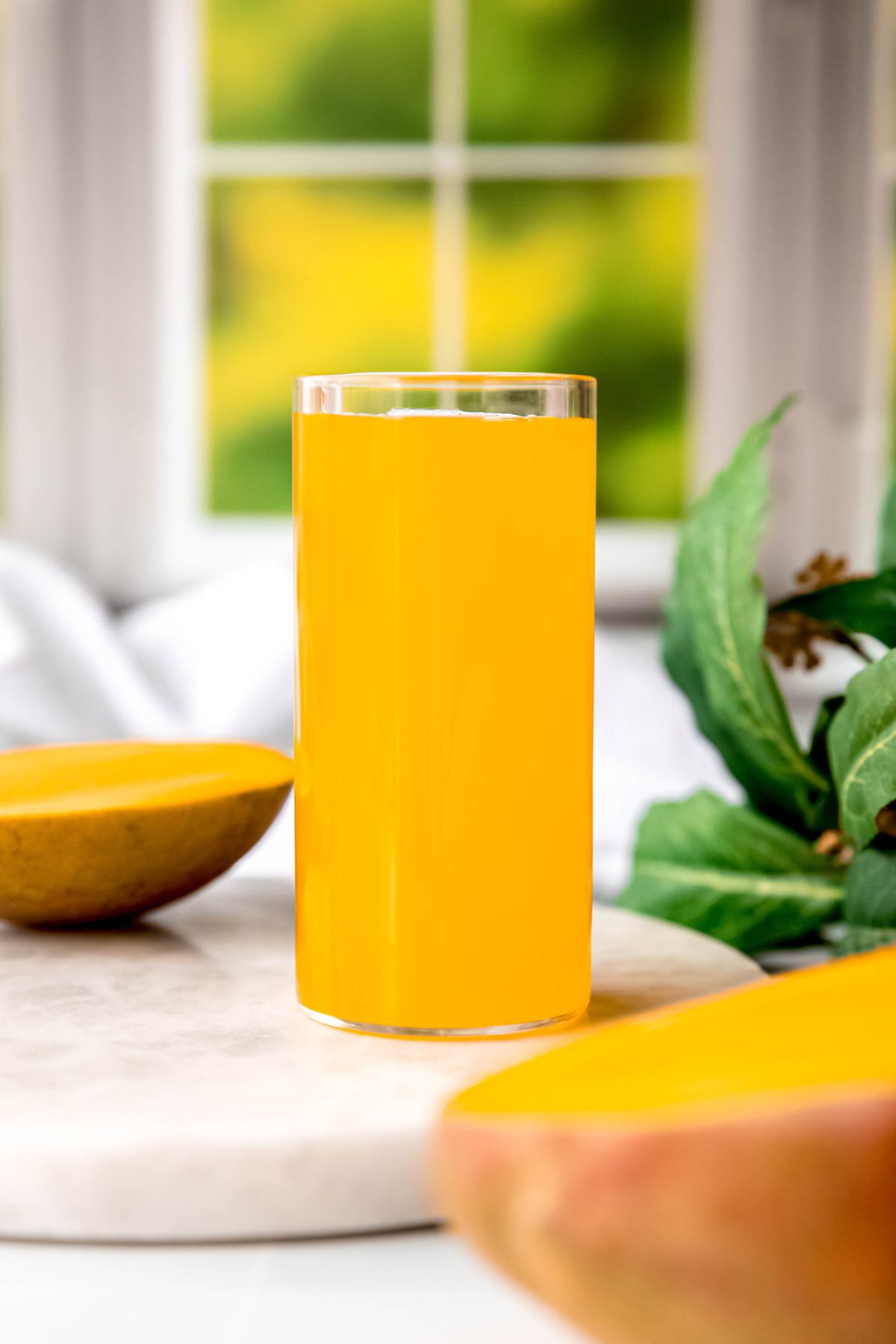
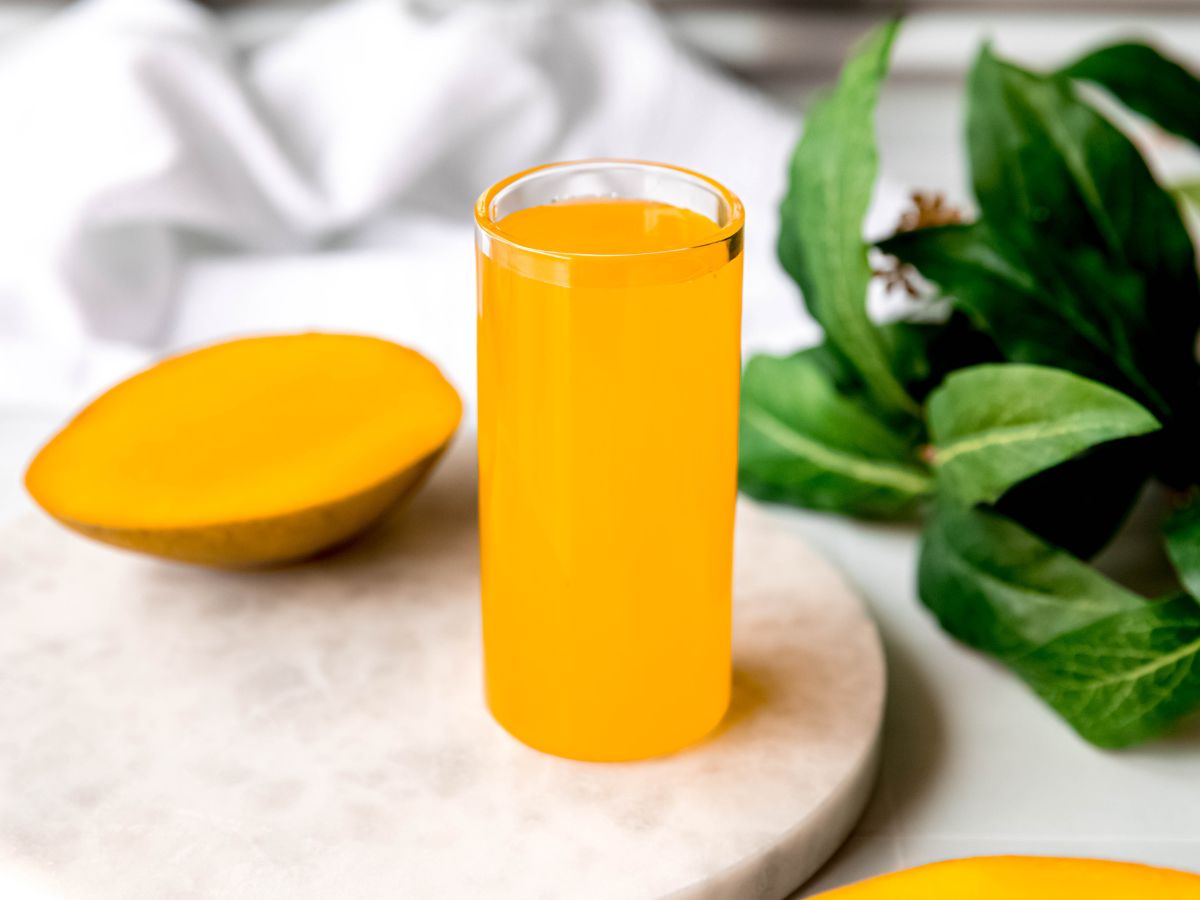
Imagine a spoonful of the juiciest, ripest mangoes you've ever tasted. That's exactly what this mango simple syrup delivers! When you macerate the fresh fruit with sugar and lemon juice, the natural sugars are drawn out, resulting in a thick, silky, concentrated elixir that's bursting with bold, tropical flavor.
The lemon adds a lovely brightness that balances the sweetness of the mango perfectly. Every spoonful is a flavor explosion—ripe, juicy mango with just the right amount of tart citrus. It's the taste of summer in a bottle. Plus, the vibrant golden-orange hue is just as enticing as the flavor!
Why You’ll Love This Mango Simple Syrup Recipe
- Just 3 Ingredients - No need to seek out any obscure ingredients you can only find on the internet for this one. Just fresh fruit and sugar!
- Quick & Easy - Just slice, toss, and let time do the rest. Your active time in the kitchen is just 5-10 minutes, max.
- All-Natural - Bottled syrups are convenient, but they’re also loaded with a bunch of artificial ingredients that sound like they belong on an AP Chem test. With this easy DIY, you can rest assured you’re getting nothing but fresh, fruity goodness.
Ingredients Needed
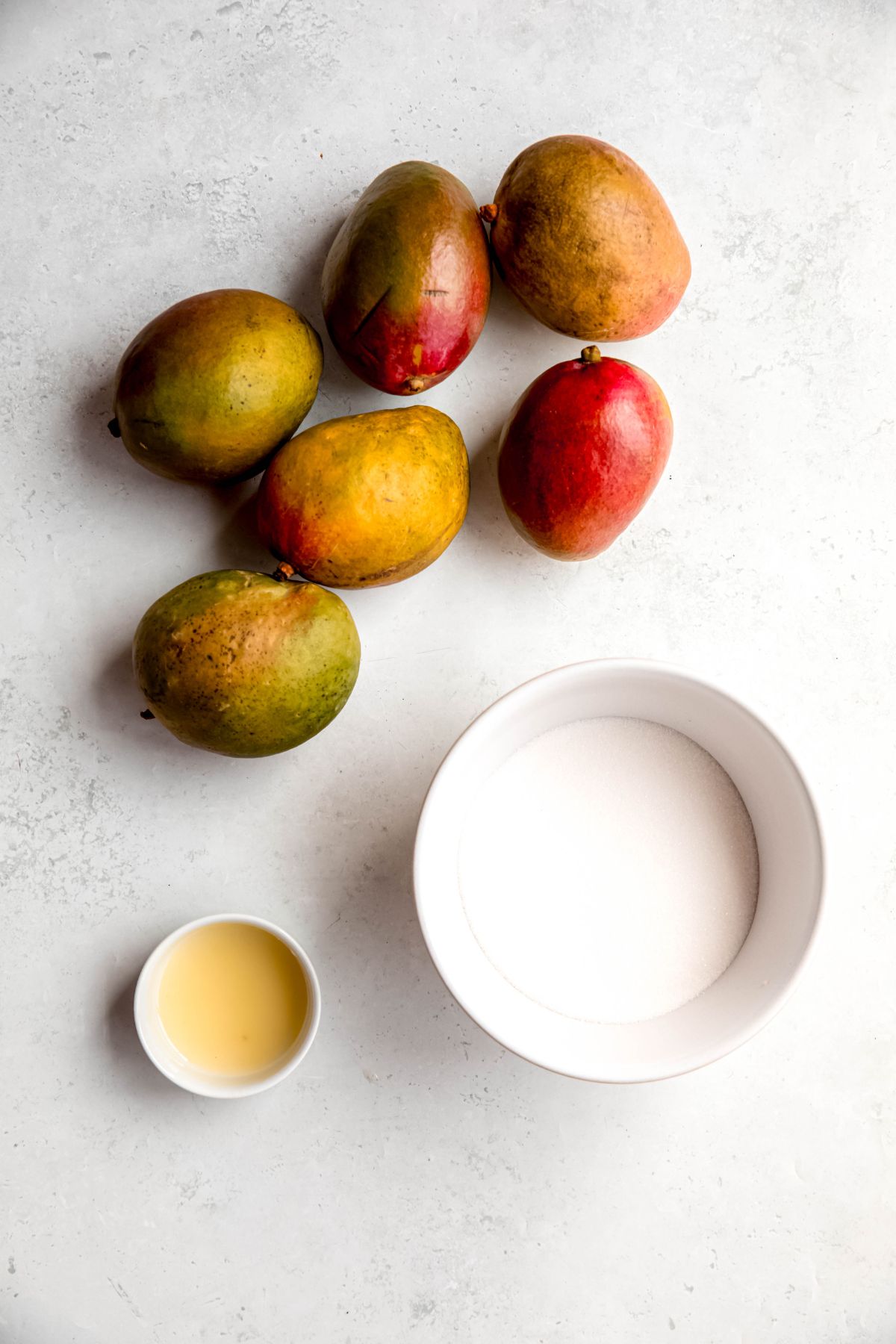
- Fresh, Ripe Mangoes - I’m a Kent kinda girl, but you’re welcome to use any variety you prefer. When ripe, they should give under a gentle squeeze from your thumb, much like an avocado.
- Granulated Sugar - White sugar has no discernible flavor other than pure sweetness so pure mango flavor is what shines.
- Fresh Lemon Juice - A touch of acidity helps to balance out the sweetness. Make sure it’s fresh though, since bottled lemon juice can taste bitter and flat.
Substitutions
- Fresh, Ripe Mangoes - If you don’t want to deal with slicing the mangoes yourself, you’re welcome to use defrosted frozen mango chunks.
- Granulated Sugar - Pure cane sugar is a less-refined alternative that has minimal impact on flavor. You can also swap in a cup-for-cup sweetener like monkfruit if you prefer.
- Fresh Lemon Juice - Fresh lime juice adds a slightly tropical twist that’s equally delightful.
How To Make Mango Syrup
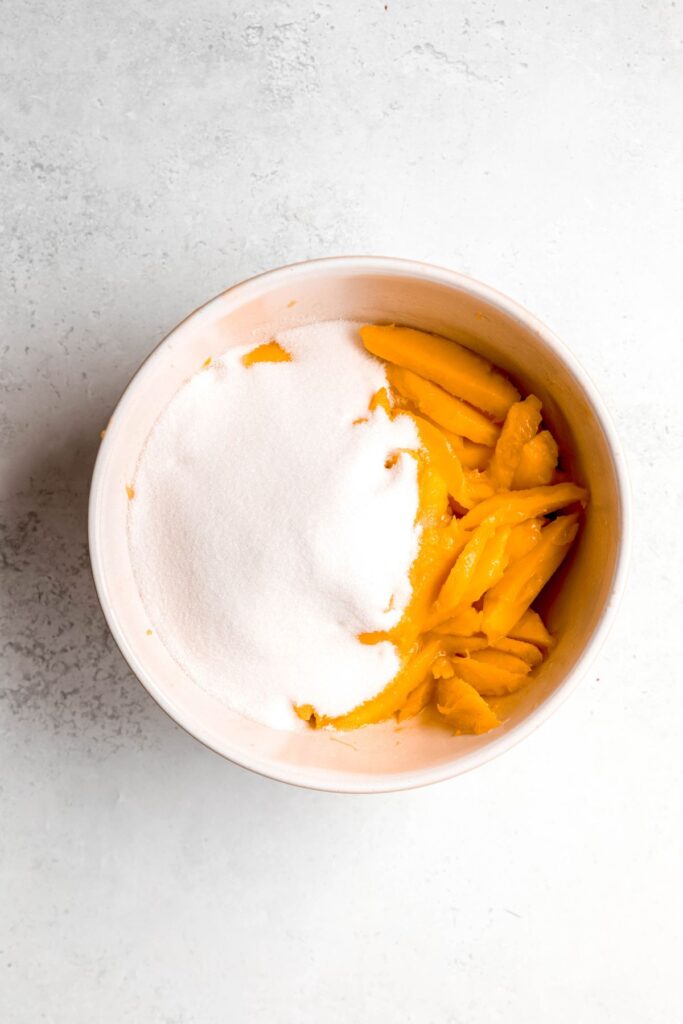
Step 1: Prepare the Mangoes. Begin by peeling and slicing your ripe, juicy mangoes into ½-inch thick pieces. Place the mango slices in a large bowl, then toss them with granulated sugar and freshly squeezed lemon juice until the fruit is evenly coated and the sugar is fully moistened.
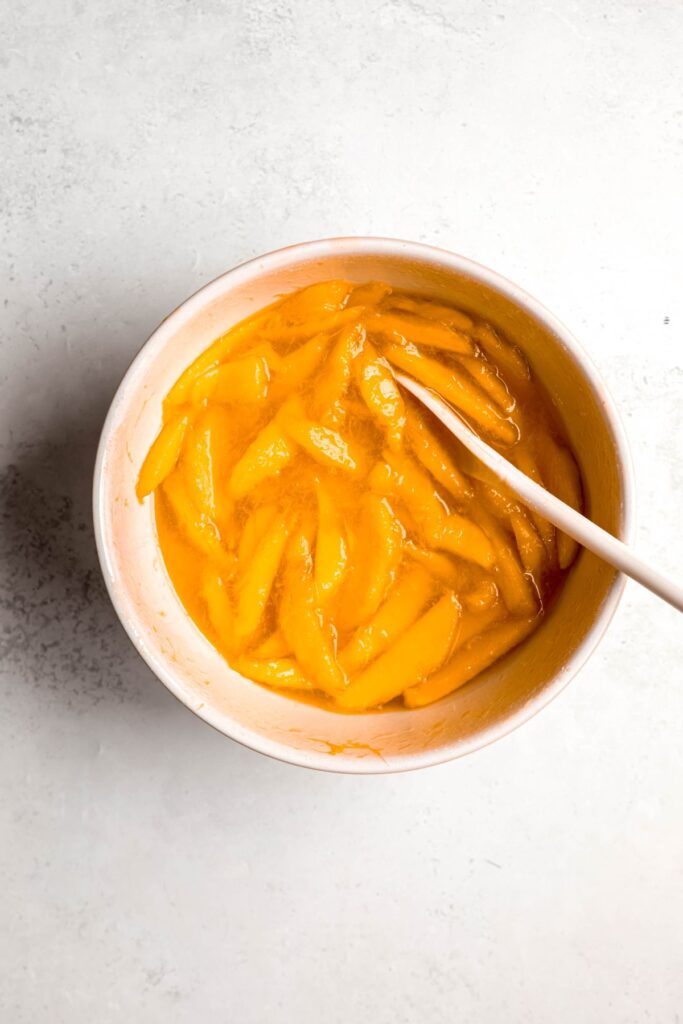
Step 2: Macerate the Mixture. Allow the mango-sugar mixture to sit at room temperature for 2 full hours, tossing it halfway through to ensure even maceration. This process will draw out the natural sugars from the mangoes, creating a rich, concentrated syrup.
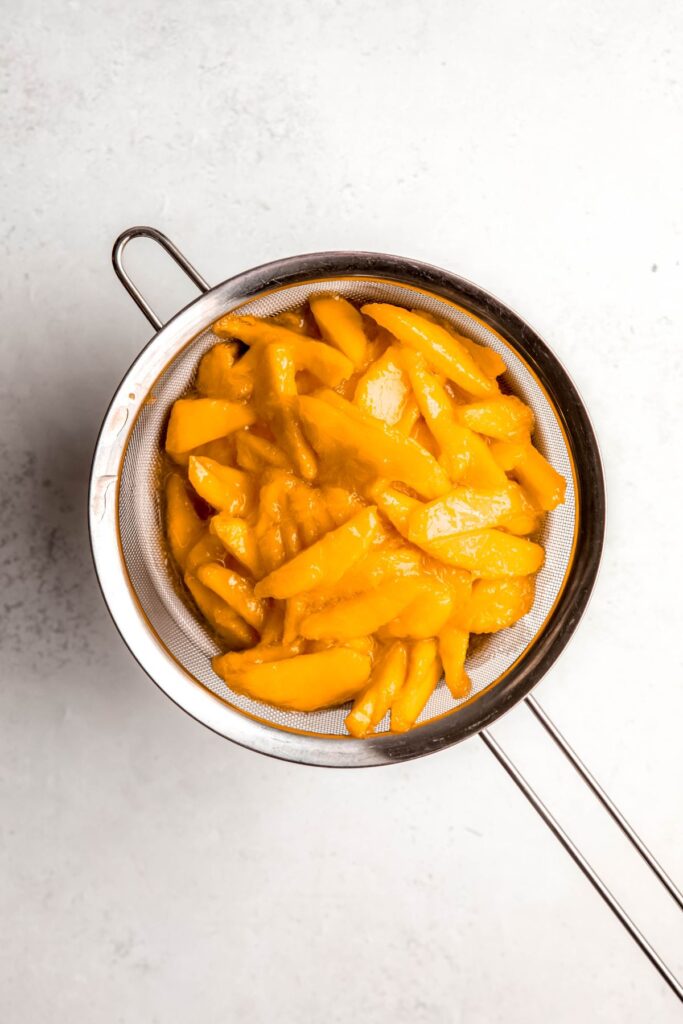
Step 3: Strain. After 2 hours have passed, it's time to strain the syrup from the mango solids. Carefully pour the entire mixture through a fine-mesh strainer, letting the syrup drip down while reserving the strained liquid. Give the solids a gentle toss halfway through the straining process to extract as much flavorful syrup as possible.
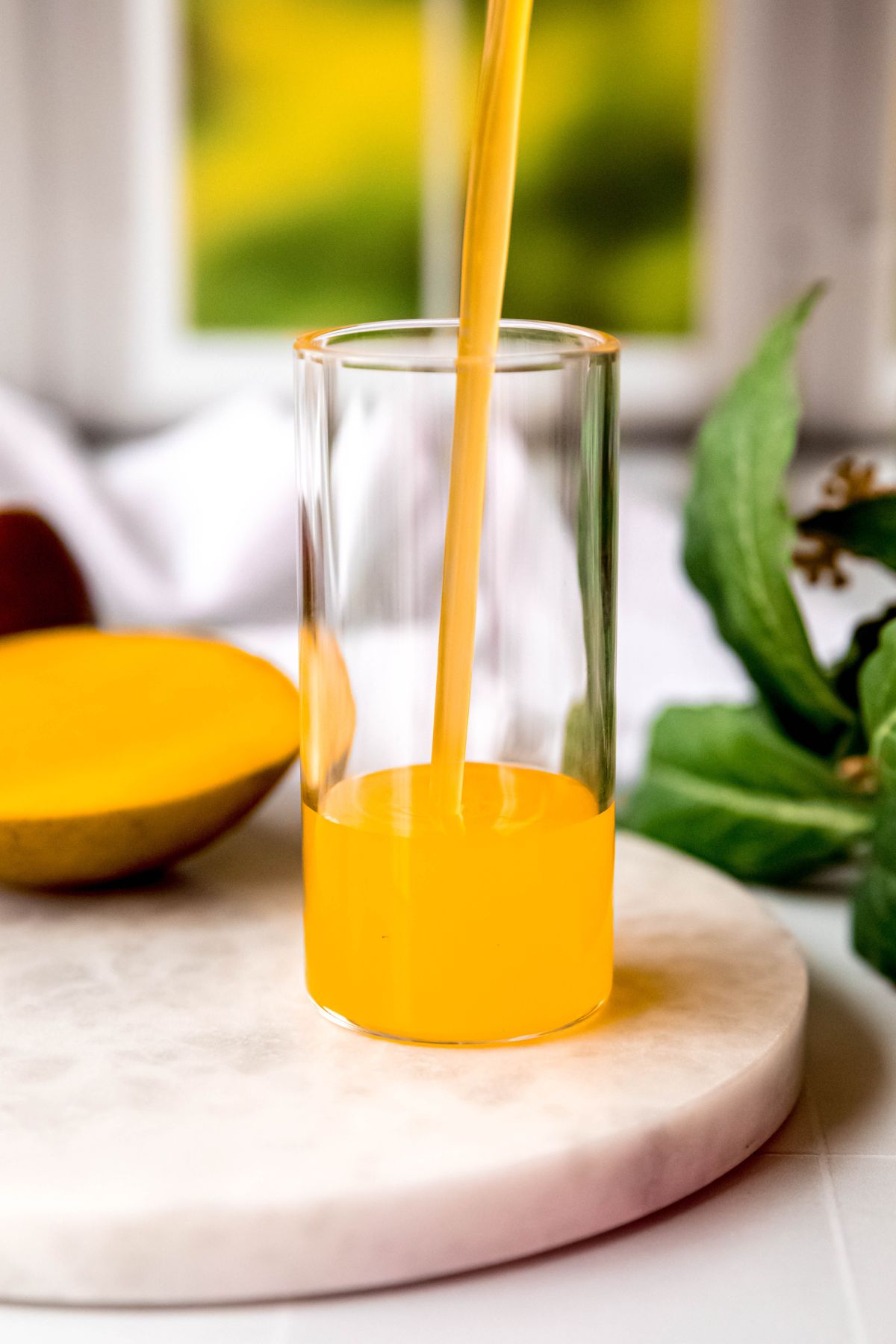
Step 4: Store. Once the straining is complete, discard or save the leftover mango solids for another use. Transfer the vibrant, golden mango syrup to an airtight container or bottle for storage. Keep it chilled in the refrigerator, where it will stay fresh for up to 7 days.
Optional Variations & Dietary Adjustments
- Sugar-Free Mango Syrup - For a diabetic-friendly version, substitute the granulated sugar with an equal amount of your preferred zero-calorie sweetener, such as erythritol, stevia, or monk fruit.
- Mango-Lime Syrup: Add a bright, citrusy twist by including the zest and juice of 1-2 limes along with the lemon juice. The lime will add an extra layer of refreshing tartness to the syrup.
- Spiced Mango Syrup: For a warming, aromatic variation, try adding a pinch of ground cinnamon, ginger, or cardamom to the mango-sugar mixture before macerating.
- Vanilla Mango Drink Syrup: Stir in a teaspoon of pure vanilla extract after straining the syrup. The vanilla notes will create a rich, creamy depth of flavor that pairs beautifully with the vibrant mango.
- Mango-Chili Simple Syrup: For a sweet-and-spicy twist, finely mince a small fresh chili pepper and add it to the mango-sugar mixture. It’ll taste like Tajin mango!
Serving Suggestions
The possibilities for using homemade mango simple syrup are endless! Start your day by drizzling it over a bowl of warm oatmeal or layering it into a creamy yogurt parfait with fresh mango chunks. The syrup's bright, tropical flavor will add a delightful sweetness to your morning routine.
Mango adds a fruity twist to all your favorite classic thirst-quenchers. For refreshing drinks, stir a few tablespoons into freshly squeezed lemonade or unsweetened iced tea. You can even blend the syrup into your favorite smoothie recipes, pairing it with yogurt, milk, and frozen mango for a nutrient-packed treat.
When it comes to happy hour, mango cocktail syrup is a true MVP. Mix it into rum, tequila, or vodka-based beverages to make a flavor-packed mango margarita, daiquiri, or mule. Or keep things non-alcoholic by using the syrup to make a vibrant mango cold foam topping for iced coffees.
The syrup can be used in the kitchen, too! I like to soak cake layers, adding moisture and intense mango essence to cakes and cupcakes. It also makes a delightful topping for pancakes, waffles, and even ice cream sundaes for a little tropical pizzazz.
Recipe Success Tips
- Ripe Mangoes are Key - Choose mangoes that are soft, fragrant, and yield slightly when gently squeezed.
- Slice Evenly - Cutting the mangoes into uniform ½ -inch slices will help them macerate evenly and extract the maximum amount of flavorful juices.
- Adjust Sugar to Taste - The amount of sugar you use can be adjusted based on the natural sweetness of your mangoes. Feel free to add more to taste if a sweeter syrup is desired.
- Don't Discard the Solids - While the strained mango solids may not be as juicy, they can still be used in other recipes. Try blending them into smoothies, using them as a topping for yogurt, or folding them into baked goods.
- Store it Properly - Keep the mango syrup stored in an airtight container in the refrigerator for up to 7 days. The cold temperature will help preserve the fresh flavor.
- Adjust Consistency as Needed - If the syrup is too thick, thin it out with a bit of water. For a thicker consistency, let the strained syrup simmer gently to reduce it further.
FAQs
Starbucks mango syrup is a seasonal item that’s expected to drop on the first week of April 2026, so you can only get it for a limited time. That said, Starbucks version is made with green coffee flavor which adds caffeine and a stevia-derivative called Rebaudioside-A. Personally, I’d rather stick to the real stuff!
They do. That said, Torani mango syrup is loaded with “natural flavors” (which are made in a lab) Sodium Benzoate, Potassium Sorbate, and artificial colors. Again, I’d rather stick to my all-natural DIY, but that’s just me!
Homemade Mango Syrup Nutrition
This DIY mango syrup is a naturally vibrant, fruit-forward sweetener that’s all about simple ingredients and bold flavor. Each serving contains 103 calories and 26 grams of carbohydrates, all of which come from sugar—both naturally occurring from the mango and added sugar for syrupy sweetness.
With 0 grams of fat, 0 grams of protein, and 0 mg of sodium, this syrup is a light and straightforward addition to drinks, desserts, and breakfast favorites. Because it’s made with fresh mango and lemon juice, you’ll also get a lovely natural fruit character that sets it apart from store-bought syrups.
Keep in mind that adjusting the amount of sugar or using alternative sweeteners can change the overall carbohydrate and calorie content, making it easy to customize to your dietary preferences and needs. Enjoy every vibrant splash!
Total nutritional content per serving is:
- Calories: 103 calories
- Total Fat: 0 grams
- Protein: 0 grams
- Sodium: 0 mg
- Carbohydrates: 26 grams
- Sugar: 26 grams
*This nutritional information is an estimate and calculated based on the ingredients used to create the recipe. The nutritional value of your ingredients may differ slightly. Furthermore, this food is not intended to prevent, diagnose, cure, or treat any disease.
Other Coffee Syrup Recipes
Fresh Mango Syrup (Starbucks Copycat)
Equipment
- 1 large bowl
Ingredients
- 4 ½ lbs fresh, ripe mangoes peeled and sliced in ½ inch slices
- 1 ½ cups sugar
- 2 tablespoon fresh lemon juice (or fresh lime juice)
Instructions
- Peel and slice your mangoes in ½ inch slices and place in a large bowl.
- Toss with sugar and lemon juice until well coated and the sugar is completely moistened.
- Allow the mango mixture to sit at room temperature for 2 hours, tossing halfway through.
- After 2 hours, strain the mango syrup from the mango solids using a fine mesh strainer. Allow the mixture to strain for about 30 minutes, tossing halfway through to get the most syrup. Reserve the syrup, discard or save the mangoes for another use.
- Transfer the mango syrup to an airtight container or syrup bottle, and store in the fridge for up to 7 days.
Notes
Nutrition
xoxo Megan
Leave a Reply